UN Participation For Youth & Everyone: Here is my Experience-backed Ultimate Guide!

- Vicent Nemeyimana
- February 26, 2026
- Innovation + Entrepreneurship, Miklah Events
Introduction to the UN Participation
Participating in United Nations (UN) processes often seems like an unreachable goal reserved for career diplomats and high-level officials. However, the reality is that the UN has established numerous official structures, pathways, and gateways designed specifically to include the voices of the public, particularly youth between the ages of 18 and 40.
Therefore, if you have ever dreamed of being part of the United Nations, I want to tell you clearly: it is not only possible, it is much easier than you think. Whether you are a student, a young professional, a social entrepreneur, or any other interested individual, there is a gate for everyone!
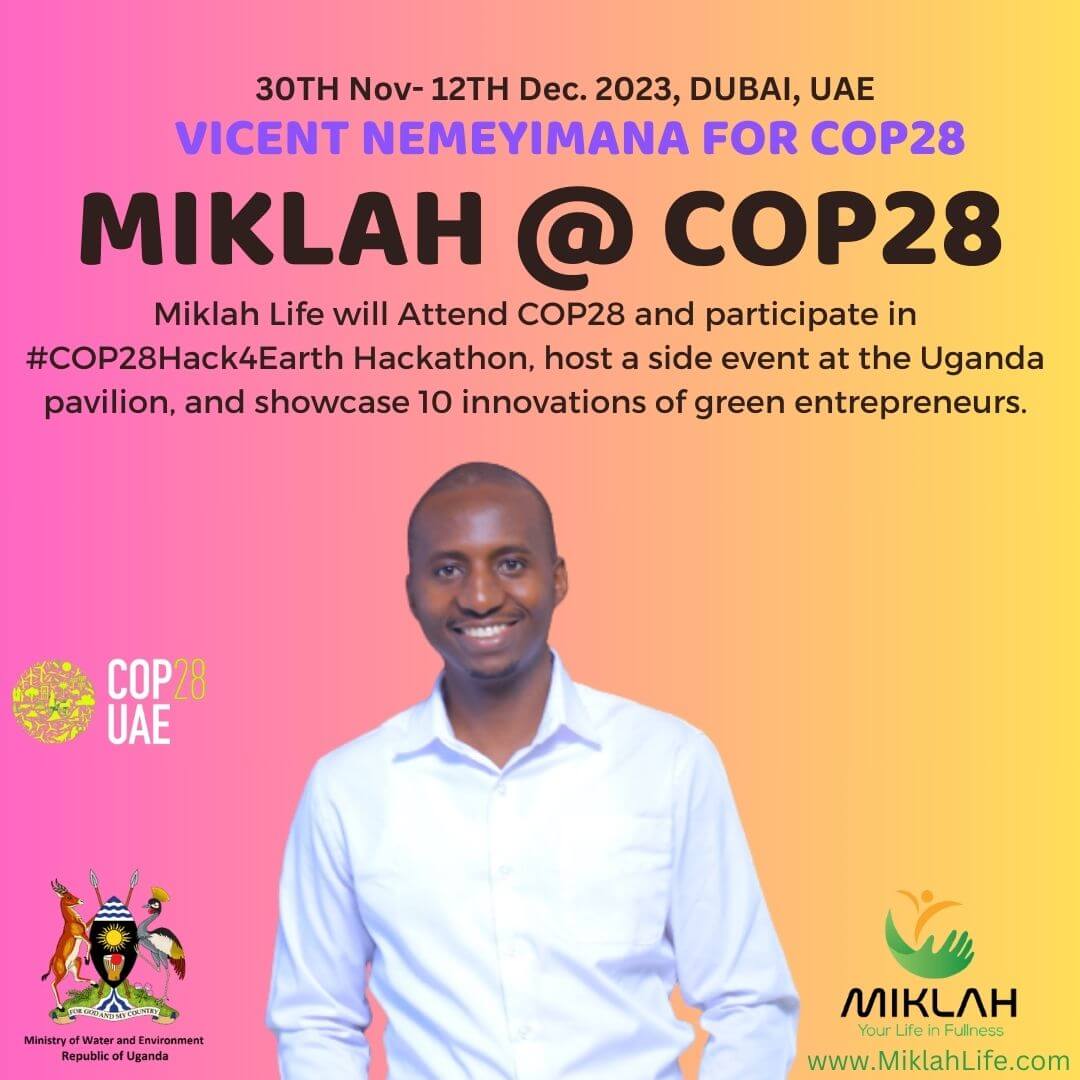
I participated in my first UN process in 2022, and since then, I have attended several high-level meetings in Uganda, New York, Nairobi, Europe, UAE (Dubai), and more. In this guide, I will share the exact organizations, technicalities, and steps you need to take to move from being an outsider or spectator to an active participant in global leadership and governance through the United Nations processes.
Steps for UN Participation for Youth & Everyone!
Step 1: Define Your Value and Specialty
Before you join any organization, you must work on yourself. The UN is a space for professionals and experts, so you need to define your “type” or the “agent” you represent. Ask yourself: What am I bringing to the table?.
Whether your interest lies in agriculture and food systems, peace and security, health, or climate change, you need a specialty that allows you to introduce yourself and grab opportunities. If you already have a company, an initiative, or a professional background, you are ahead of the game. If you feel you have nothing specific to offer yet, don’t worry. At Miklah Life, we help people start research-based, evidence-based initiatives from scratch that are strong enough to stand out at the UN. Your “ticket” into these spaces is often a professional, significant reason for being there.
Step 2: The Four Major Pathways to Participation
Once you know what you are bringing, the next step is to identify and join the right organizations. Joining these gateways is 100% free of charge; you simply visit their websites and fill out a form with your individual or organizational details. Once you are in, these spaces will feed you with information, application steps, and updates on upcoming global events.
I categorize these entry points into four main areas:
1. The Government Route (Official Accreditation) Every country, including Uganda, is a member of the UN, and specific ministries act as official accredited signatories. For example, the Ministry of Water and Environment is the official partner for the UNFCCC (Climate Change).
- How it works: You can write a request for accreditation to the relevant ministry, explaining your project or reason for attending a UN conference.
- The Benefit: If your proposal brings prestige and honor to your country, the ministry can grant you accreditation. This is how I secured my first participation; I had my innovation, Scholardly, accepted for a presentation in Egypt, and the Ministry provided the accreditation I needed to enter the UN premises.
- Other Agencies: For those interested in science, sustainability, or plastics control, NEMA is a vital link for processes involving the UN Environment Programme (UNEP).
2. Official Youth Gateways (The “Easy” Way) The UN has established formal structures where youth can join directly. These are the best places for beginners to start.
- YOUNGO: This is the official youth constituency for climate change (UNFCCC) with thousands of members globally.
- UN MGCY (Major Group for Children and Youth): This group is ECOSOC accredited, meaning it can help you participate in almost all UN processes in New York.
- UNEP MGCY: This has been my primary gateway for participating in environmental processes in Nairobi.
- Specialized Networks: If you focus on biodiversity, join the Global Youth Biodiversity Network (GYBN). If your focus is on desertification, look for the Youth Caucus of the UNCCD. For health-related issues, the Global Health Youth Network is the gateway for the WHO.
3. Accredited Non-Governmental Organizations (NGOs) Many global and local organizations are accredited under ECOSOC (Economic and Social Council). These organizations are typically allowed to nominate 5 to 10 people to participate in UN meetings.
- Global Organizations: Look into the Global Youth Action Network, World Assembly of Youth, or the International Youth Foundation.
- Local Organizations (Uganda): We have many accredited bodies like the Uganda National Forum, Elizabeth Foundation Initiative, and Uganda Youth Development Link.
- GIO: This is an amazing organization from Ghana with a branch in Uganda that can also facilitate participation.
4. Competitive Professional Programs For those who have already built some experience, there are high-level professional pathways.
- UN Volunteers (UNV): A program for professionals with degrees to serve within the UN system.
- Task Forces & Advisory Boards: Programs like the UNEP Youth Task Force or UN Youth Advisory Boards often provide allowances and represent more advanced levels of engagement.
- Internships: Traditional entry points for students and recent graduates.
Step 3: Navigating Resource Barriers
A common question I get is: “How do I afford this?” While some programs, like the UN Youth Delegate Program, are fully funded and cover all expenses, they are highly competitive.
However, you should never underlook the value of self-funding to get your foot in the door. For instance, UNEP processes in Nairobi are very accessible for those of us in East Africa. You can get a bus for 100k UGX and pay for your own stay. Once you have your accreditation and you are inside the UN compound, the networking opportunities are endless. You will meet people, build a “family” of colleagues, and find additional benefits and future funding that you would never have found from home.
Step 4: Don’t Overthink It—Just Start
The sheer number of acronyms and organizations I have mentioned can be overwhelming, but I don’t want you to be stressed. The most important thing for a starter is simply to be in the UN ecosystem.
Don’t try to join everything at once. Focus on one or two channels—like YOUNGO for climate or UN MGCY for general policy. Once you are in one of these networks, you will be added to the WhatsApp groups and email lists. You will find that the rest is a “walkover” because you are now in the system. Information about other processes will flow to you naturally, and you can upgrade your preferences over time.
Final Encouragement
The UN is not a closed club; it is a space waiting for your value, your research, and your innovations. Start with the simple channels, build your track record, and eventually, you will be ready for the most competitive opportunities the global stage has to offer.
If you are ready to start but don’t yet have that “standing out” concept or initiative, reach out to me. I can show you how to build something from scratch that the UN will want to see. The door is open—go ahead and join.