Uganda Government Launches the National Education and Training for Health Policy 2025 (PDF available)

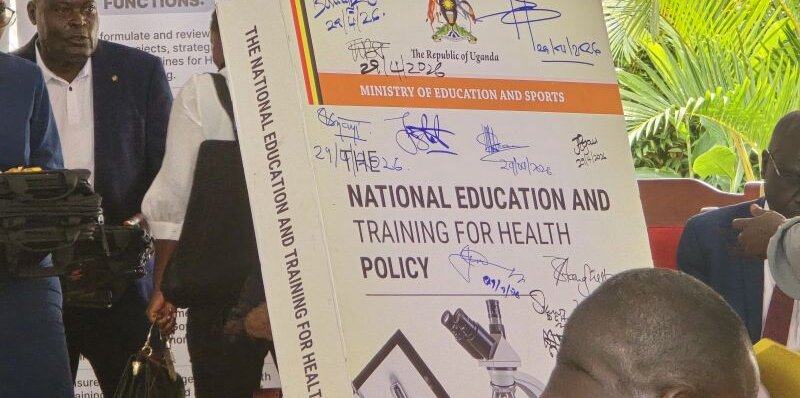
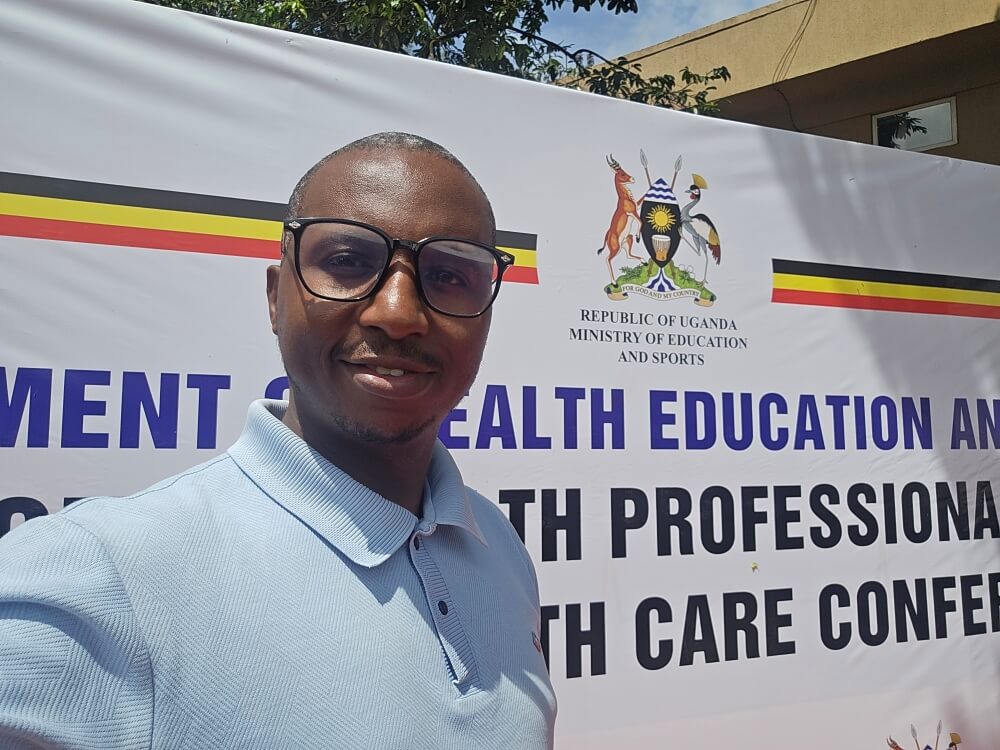
Uganda has released the National Education and Training for Health Policy, 2025. The launch event happened today 29th April 2026 during the 4th National Health Professionals’ Education, Training, & Health Care Conference, 2026, at Source of the Nile Hotel, Jinja. #MiklahLife and I are present as always, and here is our brief write-up on this:
Download the National Education and Training for Health Policy 2025 (PDF) here.
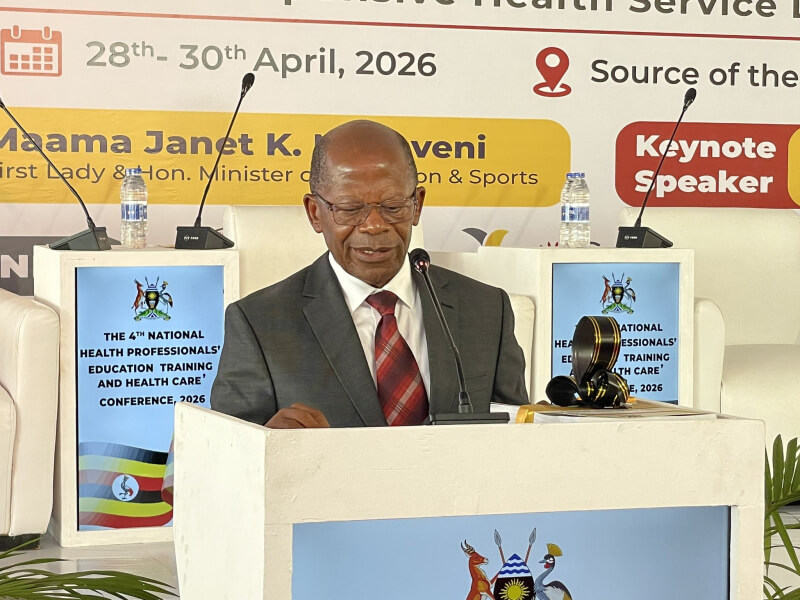
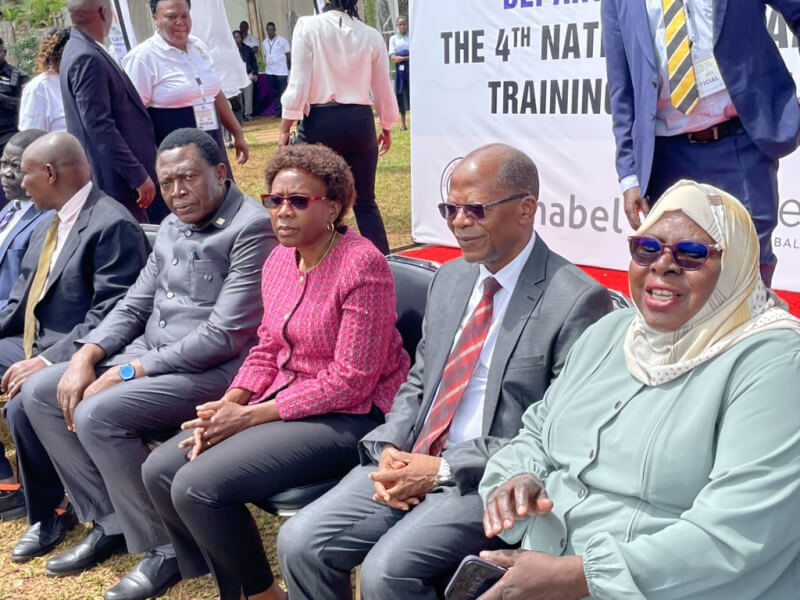
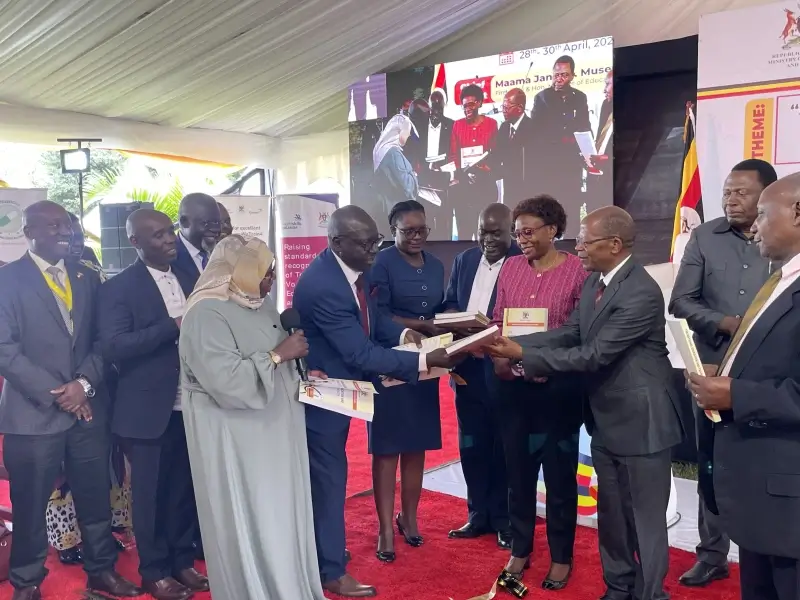
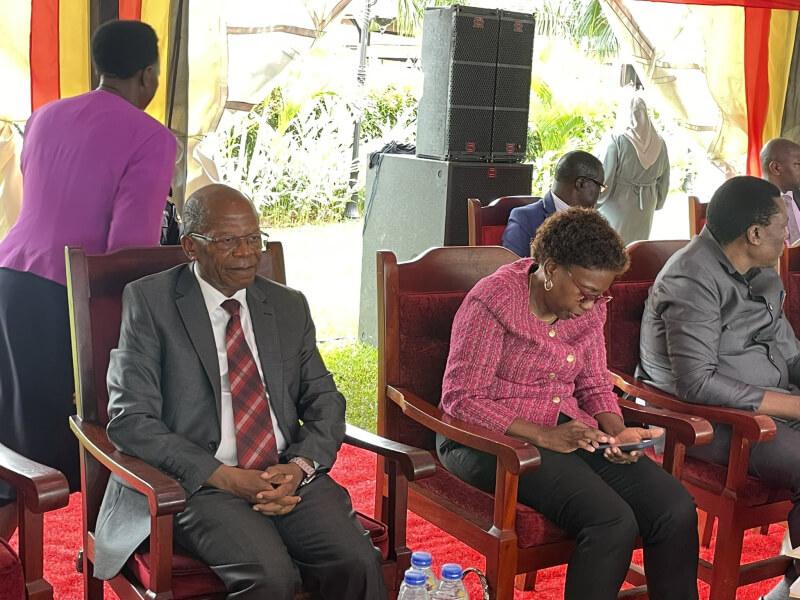
It was officially launched by John Chrysestom Muyingo, the state minister for higher education, who stood in for Mrs, Janet Museveni who was the guest of honor and could not make it. Other imoortant officials present included,Dr. Aceng from the Ministry of Health, Dr. Charles Olaro, Director General Health Services, who represented MOH PS Dr. Diana Atwine, and Dr.Kedrace Rwankore Turyagyenda, the PS Ministry of Education & Sports.
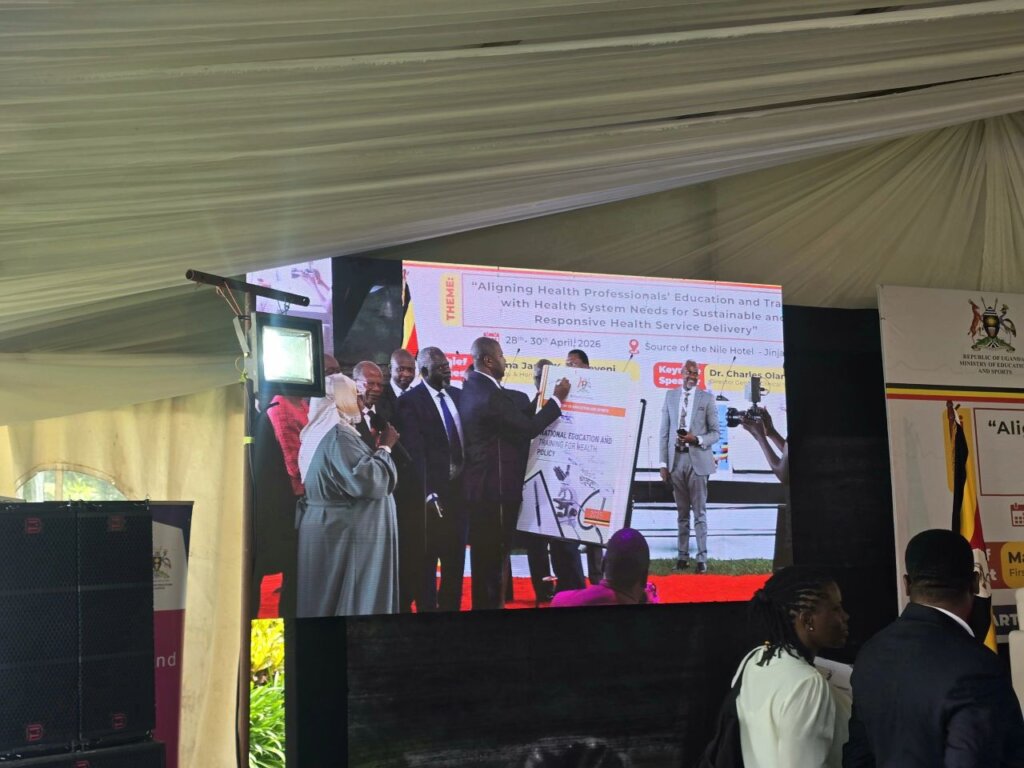
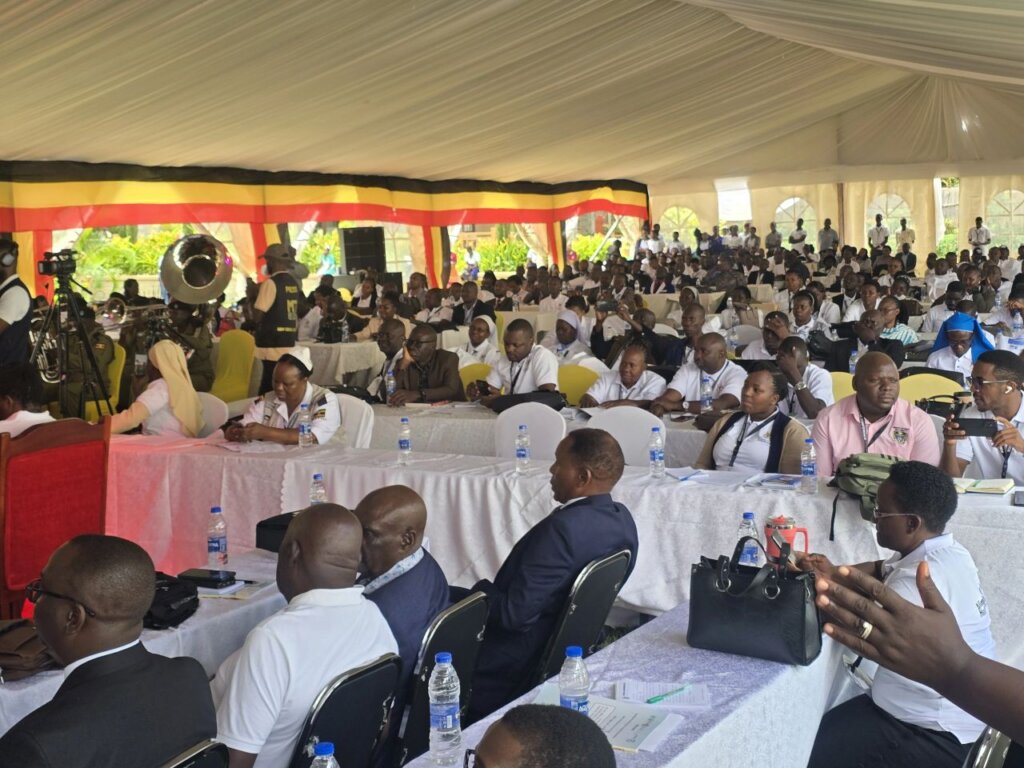
This Policy focuses on the Education and Training of health professionals based on the needs of the population, upcoming science, technology, and innovations, and the need to close the gaps in the quality of healthcare professionals in the country. It has specific take ons on issues like interns and internship and the manner in which health training institutions should report their numbers to the ministries.
National Education and Training for Health Policy 2025: Changes Introduced
Specifically, for medical interns (mostly nurses, midwives, doctors, or any other medical professionals), internship for 1 year is compulsory and students will not graduate until they successfully finish the internship. For example, a medical doctor will finish the five yearrs of medicine and will not be graduated or passed out as a doctor by their health training institution and instead will be sent for internship for one year and graduate only when internship is done and marked successful by authorities responsible. In other words, the usual Bachelor’s of medicine and surgery is no longer five years but six years!
The most uncomfortable part of this is that the government will no longer pay any allowances to interns. Parents and guardians will pay for internship costs exactly the same way they paid for school fees. In other words, the burden will remain a relationship between the training institution, parents, and the students.
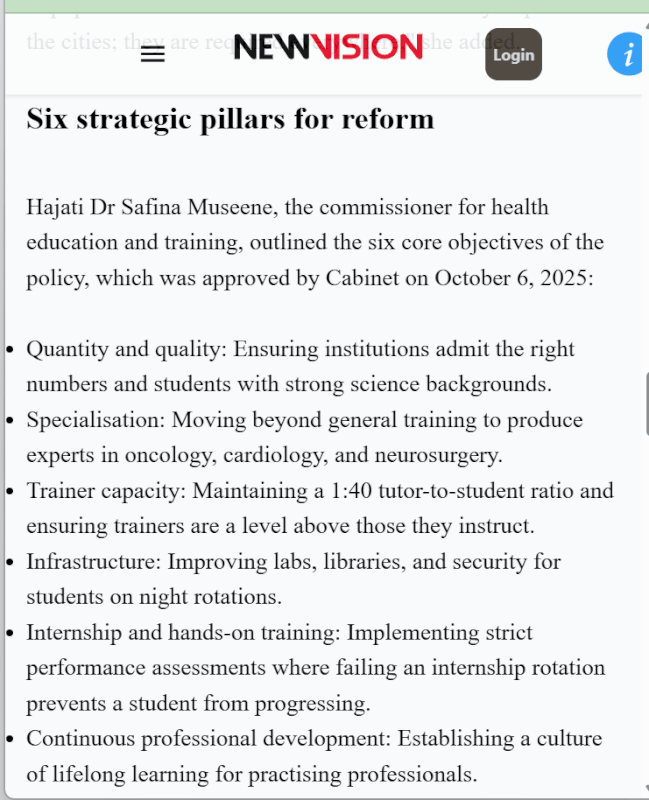
Health Training Institutions need to increase on the number of their professional tutors, embrace technology, and intentionally concentrate on skills much more than theories. This will require a lot of investment from the school owners and probably from various investment pathways. We have not yet established the specific ways the policy plans to enable schools to comply.
How about the brief review in a video?
Schools are also supposed to report their admissions and progresses in time for the Ministries to easily keep track of learners, their time for internship, and their completion rates. This will keep learners in check and will help the Government easily identify unworthy learners who later turn out to be fake health workers. It will also help the Government to know the numbers of professionals against the jobs or needs across health facilities and the country.
On placement of students for practice on wards, nurses and midwives and all other allied health professionals who go on wards to learn will each pay 130,000 for each period of attachment (private sector) and, for Government schools, learners will pay about 120,000 each per period of attachment. This is so even if the learners are practicing in Government hospitals and from Government training institutions.
Here is another big change. For those willing to take 4-year courses like undergraduate bachelor of science in nursing (directly from high school), be prepared to now go for five years (I hope I got this well). And, yes, for Pharmacy students, the undergraduate program is also for five years, not four years.
The policy is not broadly available in digital and physical copies, and we could be innacurate on these issues. We will read the exact policy document and edit this article if we find some inaccuracies. However, I have written this article from the launching conference and I am confident I have heard all these briefs very well from the exact policy committee.
National Education and Training Policy 2025: reviews and reactions
During the brief policy explanations in the evening, most people showed unhappiness with the policy, asked many ‘cross-examining-like’ questions, which ended up annoying the policy developers and presenters who were available. It was a hot moment. Some questioned the policy on the scrap off of intern allowances, the increase of study years, and the threats of strictness without any clear incentives for policy implementors. Again, we could be wrong on this, and we will read the policy and get back to these discussions.
Health training institutions, ministries of health and education, health students (from medical to allied and public health), trainers [tutors, lecturers, school owners), and hospitals or health facilities are major stakeholders in this. We will need to explore the policy and figure out the roles and opportunities for each of these stakeholders.
The Minister of Health, Dr. Jane Aceng, cautioned the participants against thinking and saying that the policy is as good as all other policies in Uganda that only end in words, and instead asked us to all rally behind the policy and find out specific inputs to make it a reality. She clearly asked us to co-own the policy. However, like I already highlighted above, it is already very difficult to co-own it. We will have to re-evaluate this once we fully read the document.
National Education and Training for Health Policy 2025: Conclusion
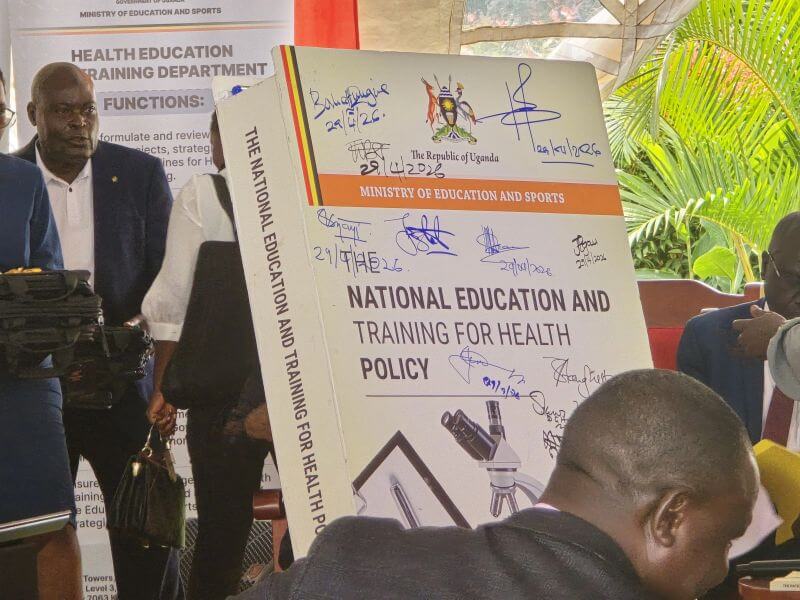
Well, the policy is ambitious, and we are all looking forward to using it for our own interests and the interests of our country, Uganda. Yes, no matter how it looks, we can positively explore it and figure out one or two things to snitch out of it.
I and MIKLAH Life couldn’t miss the event, and we already have many projects that are in line with some parts of the policy and all we can do is enhance them and deliver them with precision and care.
See more at miklahlife.com/health or specifically at MILAH FOR HEALTH PROFESSIONALS. Thank you.